
In the critical journey toward recovery, the decision of where to seek help is immensely personal and often overwhelming. Individuals and families searching for solutions are at their most vulnerable, navigating a complex landscape filled with glossy brochures and confusing claims. For too long, the marketing of drug rehab centers has focused on superficial elements: scenic locations, luxury amenities, or simply the number of beds available.
Today’s ethical and effective approach requires a fundamental shift. Potential clients and their families are savvier than ever; they are searching for clinical depth and a proven commitment to treating the root causes of addiction, not just the symptoms. They are looking past the superficial and demanding evidence of genuine therapeutic expertise.
The key to standing out and building significant, lasting trust is authentically highlighting your commitment to client-centered and trauma-informed care. This is more than a trend; it is the modern standard of clinical excellence and must be reflected in your marketing strategy.
Overview
The Evolution of Behavioral Health Marketing: A Shift to Clinical Depth
The best treatment centers understand that addiction is rarely a standalone issue. It is often a complex, chronic condition rooted in underlying pain, co-occurring mental health disorders, and, critically, past trauma. This realization has made specialized, evidence-based clinical approaches—such as EMDR, Somatic Experiencing, and Dialectical Behavior Therapy (DBT)—a non-negotiable expectation for many seeking meaningful help.
To succeed in modern drug rehab marketing, you must move beyond generic, comforting phrases like “holistic treatment” and “individualized care.” You need to dedicate your content to demonstrating precisely how your approach is rooted in advanced, evidence-based methodologies that address core issues. Marketing your clinical philosophy proves you are focused on lasting recovery, not just temporary sobriety.
Defining Trauma-Informed Care in Your Marketing
The principle of being trauma-informed extends far beyond a specific therapy session; it’s an organizational culture. Trauma-informed care marketing is about communicating your facility’s operational philosophy, which is built on the four R’s: Realizing the widespread impact of trauma, Recognizing the signs and symptoms, Responding by integrating knowledge about trauma into practices, and Resisting Re-traumatization.
Marketing that Builds Trust:
-
Move Beyond the Buzzword: Instead of simply stating, “We offer trauma therapy,” dedicate an entire page or video to explaining the six core principles of trauma-informed care: Safety, Trustworthiness and Transparency, Peer Support, Collaboration and Mutuality, Empowerment, Voice and Choice, and Cultural, Historical, and Gender Issues.
-
Show Operational Commitment: Explain how these principles manifest daily. Do your intake and admissions processes prioritize transparency? Is your physical environment designed to promote safety and calm? Do staff wear clear name tags to establish trustworthiness? Showing these operational details proves your commitment is deep-seated, not just a marketing tagline.
-
Case Studies (Anonymized): Share ethical, anonymized vignettes that illustrate how a client, through a trauma-informed lens, was able to progress. Focus the narrative on the therapeutic breakthrough, not the past trauma itself.
Making the Client the Center: Client-Centered Rehab Marketing
Client-centered rehab marketing means recognizing and respecting the client as the expert in their own life and recovery journey. Your marketing should showcase how your treatment plans are individualized, flexible, and collaborative, not standardized or authoritarian.
-
Focus on the Partnership, Not the Prescription: Detail the initial assessment process. Explain that treatment is a partnership where the client’s goals, preferences, cultural background, and pace shape the course of therapy. Emphasize that clients are given a “voice and choice” in selecting their modalities.
-
The Power of the Plan: Instead of saying, “Our program lasts 30 days,” focus on the personalized treatment plan. Explain that the plan is a living document, reviewed weekly, and tailored based on the client’s progress, readiness for deeper work, and evolving clinical needs.
-
Highlighting Staff-Client Ratios: While bed count is irrelevant, staff-to-client ratios are critical. A lower ratio suggests more focused, personalized attention, which is a hallmark of truly client-centered care.
From Generic to Specific: Authority Through Specialized Modalities
Authenticity and authority are built by naming and explaining the specialized, evidence-based techniques you employ. These are the details that distinguish your center from the competition and resonate deeply with sophisticated searchers.
Targeted EMDR Therapy Marketing and Beyond
If your center specializes in EMDR therapy marketing, dedicate specific website sections and content—including blog posts and explainer videos—to educating the audience on its value.
-
EMDR (Eye Movement Desensitization and Reprocessing): Clearly explain that EMDR is an evidence-based, structured therapy used to help individuals process distressing, trauma-related memories and change how they react to them. Position it as a powerful tool for treating the root cause of emotional pain that often leads to self-medication and substance use. Use specific language like “bilateral stimulation” and “adaptive resolution” to demonstrate expert knowledge.
-
Somatic Experiencing (SE): If applicable, explain the neuroscience behind SE, detailing how it helps clients safely release trauma that is “stuck” in the body’s nervous system. This approach appeals strongly to clients who feel disconnected or have experienced physical symptoms related to trauma.
-
Dialectical Behavior Therapy (DBT): If used, clarify that DBT focuses on teaching clients essential coping skills in four key areas: mindfulness, distress tolerance, emotion regulation, and interpersonal effectiveness. This targets the instability often driven by trauma and co-occurring disorders.
The Ethical Imperative: Building Trust Through Transparency
In this highly sensitive sector, trust is the most valuable currency. Ethical addiction advertising means absolute transparency, accuracy, and compassion, strictly avoiding any language that could be interpreted as misleading, manipulative, or sensational.
-
Avoid Exaggerated or Manipulative Outcomes: Never promise a cure or use guarantees. Focus instead on the measurable skills, tools, and emotional resilience your clients will gain. Use phrases like “We provide the framework for lasting recovery,” rather than “Guarantee a lifetime of sobriety.”
-
Use Compassionate Language Consistently: Your ads, website copy, and blog posts must strictly adhere to person-first language (e.g., “person with a substance use disorder” instead of “addict” or “junkie”). This demonstrates the dignity and respect inherent in your trauma-informed approach.
-
Highlight Staff Qualifications and Certifications: Feature the specific training (e.g., Certified EMDR Therapist, LCSW, LPC) and years of experience of your clinical team. Tie their credentials directly to the specialized care they administer. This expertise is far more credible than generic facility photos.
-
Transparency on Accreditation: Clearly display and link to your accreditations (e.g., Joint Commission, CARF). This signals an external commitment to quality and ethical standards.
By strategically marketing your clinical strengths—your dedication to client-centered rehab marketing and your expertise in methodologies like EMDR therapy marketing—you move from being just another facility to becoming a trusted, authoritative, and compassionate source of true, foundational healing. This distinction is what captures the attention of high-intent searchers and is the difference between capturing a lead and genuinely connecting with a client ready for life-changing help. Sachs Marketing Group can help you with these drug rehab marketing strategies. Contact us today!
OTHER ARTICLES YOU MIGHT BE INTERESTED IN

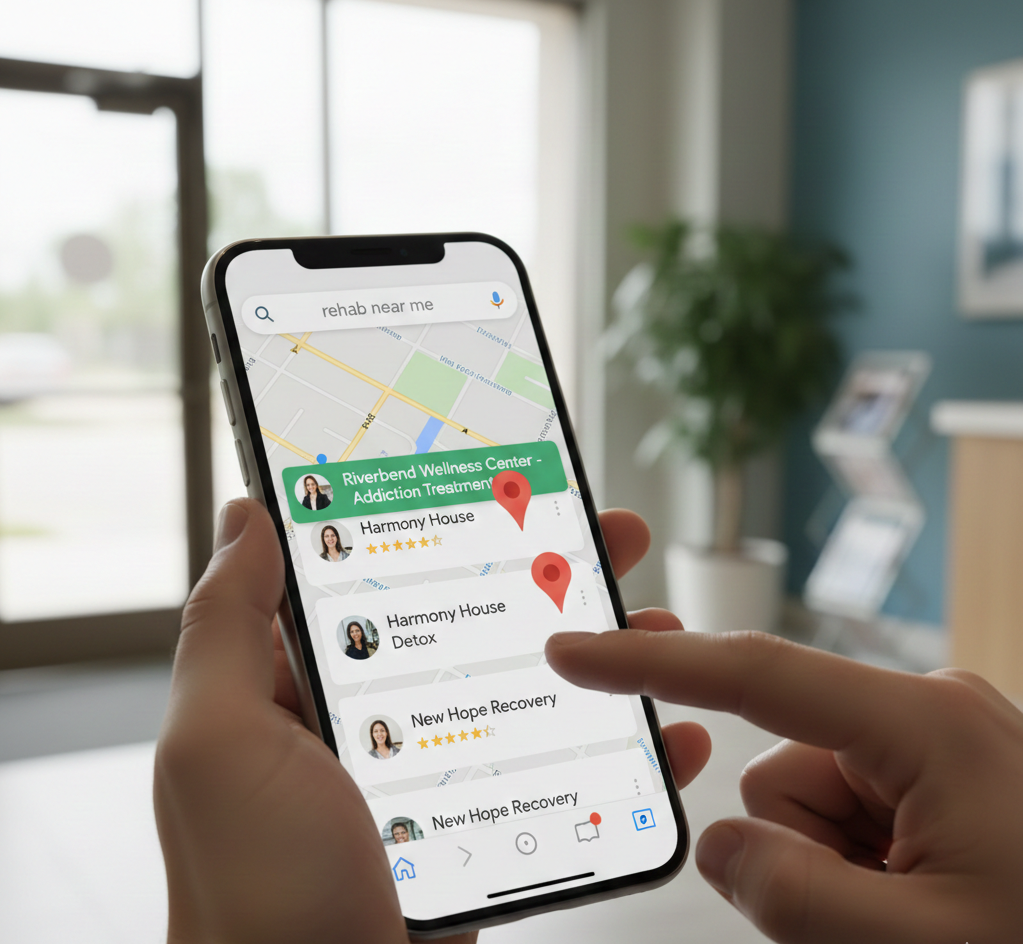
Winning the Local Search War: How to Master Google's Map Pack for Rehab Admissions
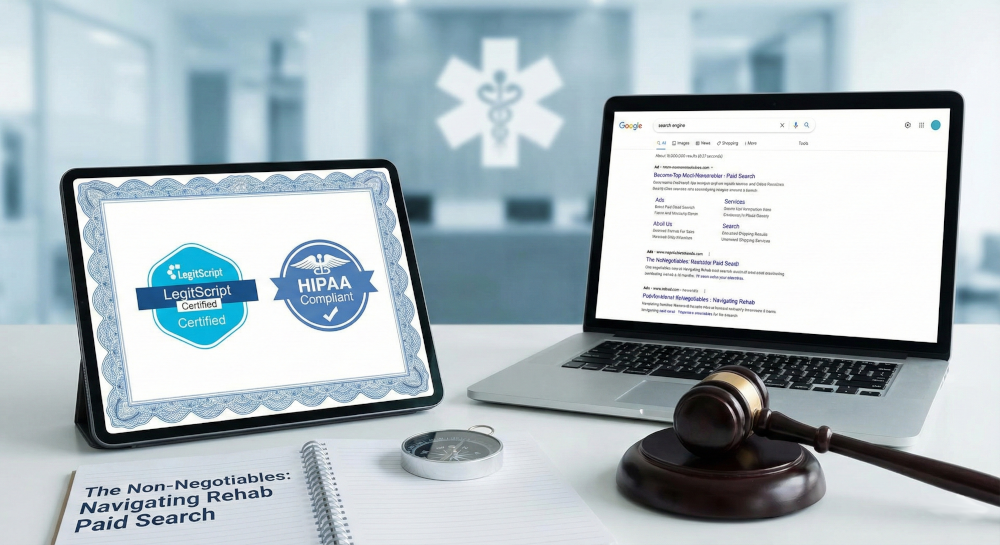
The Non-Negotiables: Navigating LegitScript and HIPAA Compliance for Drug Rehab Paid Search
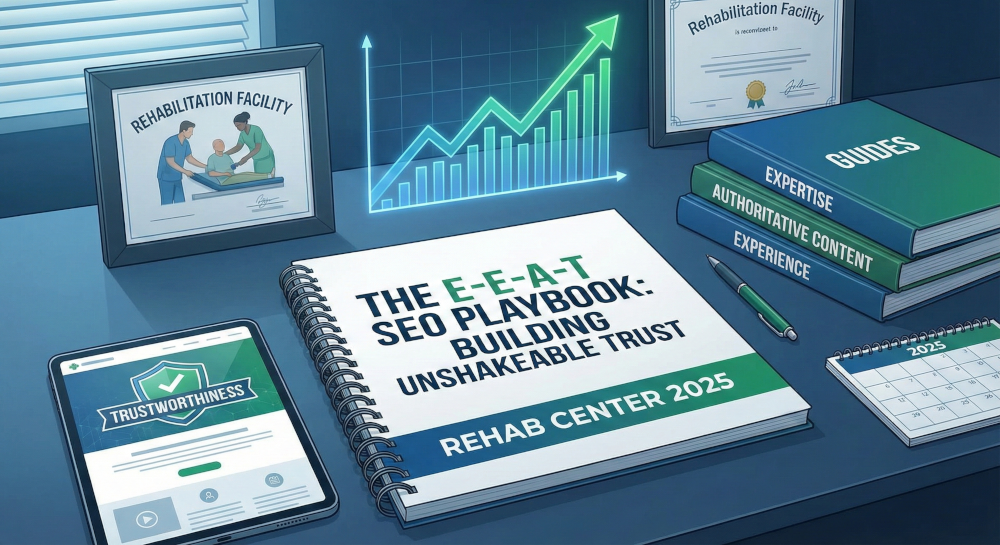
The E-E-A-T SEO Playbook: Building Unshakeable Trust for Your Rehab Center in 2025

Harnessing AI for Hyper-Personalized Patient Outreach: A Treatment Center's Guide

Precision Marketing: The Power of Long-Tail Keywords in Drug Rehab PPC
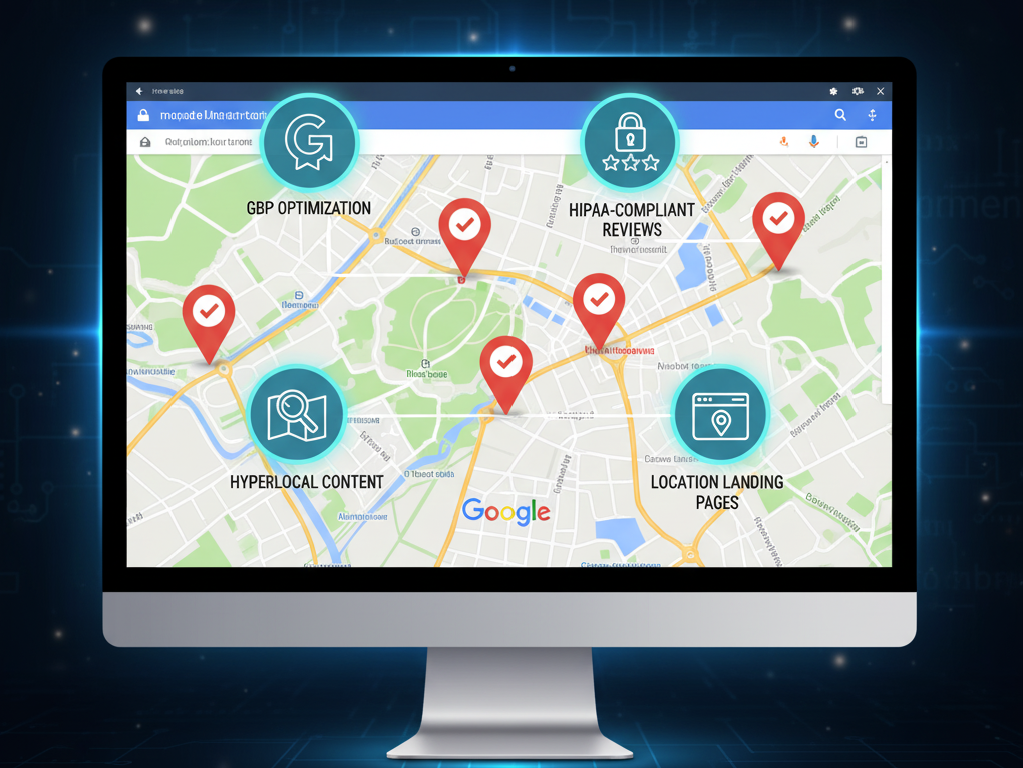
Mastering the Map Pack: 4 Local SEO Tactics to Dominate 'Rehab Near Me' Searches

Contact us today to get the conversation started!


