
The landscape of behavioral health is undergoing a seismic shift. As we navigate 2026, the “brick-and-mortar” exclusivity of recovery is fading, replaced by a high-tech, high-touch hybrid model. For facility owners and marketing directors, this evolution represents more than just a clinical upgrade; it is a fundamental change in how we reach, engage, and retain patients.
Winning at drug rehab marketing today requires more than a high-ranking website—it requires a digital ecosystem that proves your facility is at the cutting edge of care. By integrating telehealth for addiction, AI in addiction treatment marketing, and virtual reality therapy marketing, centers are breaking down geographic barriers and offering a level of personalization previously thought impossible.
Overview
The New Front Door: Telehealth for Addiction
Telehealth has moved from a “pandemic-era necessity” to a “patient-expected standard.” In 2026, the marketing of telehealth services is less about convenience and more about lowering the barrier to entry.
Many individuals in the “contemplation” stage of change are paralyzed by the stigma of walking into a physical building. Marketing your telehealth capabilities allows you to meet them in the safety of their own homes.
Actionable Strategy: Create dedicated landing pages for “Online IOP” or “Virtual Detox Support.” Highlight the permanent DEA authorizations for telehealth prescribing (such as buprenorphine) to reassure patients that digital care is medically rigorous.
AI-Powered Aftercare: Revolutionizing Rehab App Marketing
The highest risk of relapse occurs in the “gap” between leaving a residential facility and integrating back into daily life. This is where rehab app marketing becomes a life-saving differentiator.
Modern facilities are no longer just handing out a paper list of 12-step meetings. They are providing proprietary or white-labeled AI apps that act as a 24/7 digital companion.
Predictive Analytics
These apps use AI to track biometric data (via wearables) and behavioral patterns. If a patient’s sleep quality drops or their GPS shows them near a former “trigger” location, the AI can trigger an automated check-in or alert their case manager.
Marketing the “Safety Net”
When promoting your center to families, emphasize this AI-powered aftercare. Use the term AI in addiction treatment marketing to describe how your facility uses “Digital Biomarkers” to prevent relapse before it happens. This shifts your value proposition from a 30-day stay to a lifelong partnership.
Virtual Reality: The Ultimate “Practice” for Real-World Recovery
One of the most exciting innovations in the industry is virtual reality therapy marketing. VR is moving beyond gaming and into the heart of clinical excellence through Cue Exposure Therapy (CET).
In a controlled VR environment, a patient can be “transported” to a high-risk situation—like a party or a bar—while safely sitting in their therapist’s office. This allows them to practice refusal skills and craving management in real-time.
Immersive Social Proof
Use video content on social media to show (anonymized) demonstrations of VR therapy. Visualizing a patient practicing “sober skills” in a virtual world is a powerful marketing tool that demonstrates transparency and innovation.
The Narrative
Position VR as a “flight simulator for sobriety.” It builds the “mental muscle” required to handle triggers without the real-world risk of a slip.
Digital Addiction Resources: Content as a Service
In 2026, digital addiction resources are the currency of trust. High-intent searchers are looking for more than a “Contact Us” form; they want tools.
Interactive Toolkits
Offer downloadable AI-driven recovery planners, interactive craving trackers, or VR-compatible mindfulness videos.
SEO Benefit
By hosting these resources, you improve your “E-E-A-T” (Experience, Expertise, Authoritativeness, Trustworthiness). Google’s AI Overviews prioritize sites that offer high-utility, structured data over generic blog posts.
Integrating the Tech Stack into Your Marketing Funnel
To successfully execute drug rehab marketing in this digital age, your tech innovations must be woven into every stage of the admissions funnel:

Overcoming the “Human vs. Machine” Perception
A common pitfall in AI in addiction treatment marketing is making the center seem cold or robotic. The goal is “Augmented Compassion.” Your marketing message should be clear: Technology doesn’t replace our clinicians; it gives them better tools to save your life.
Highlight your staff’s expertise in using these tools. Feature “Technology Spotlights” on your blog where your Clinical Director explains how VR helped a specific patient overcome a decade-long trigger. This humanizes the high-tech approach.
The Tech-Forward Advantage
The future of addiction treatment is a blended reality. By leaning into telehealth for addiction, promoting your AI-powered digital addiction resources, and showcasing the immersive power of VR, you do more than just “market” a service—you offer a sophisticated, modern path to freedom.
In a competitive market, the facilities that embrace these innovations will not only see higher admission rates but, more importantly, will facilitate more durable, long-term recoveries.
OTHER ARTICLES YOU MIGHT BE INTERESTED IN

AI in Addiction Marketing: Leveraging Automation and Data-Driven Personalization
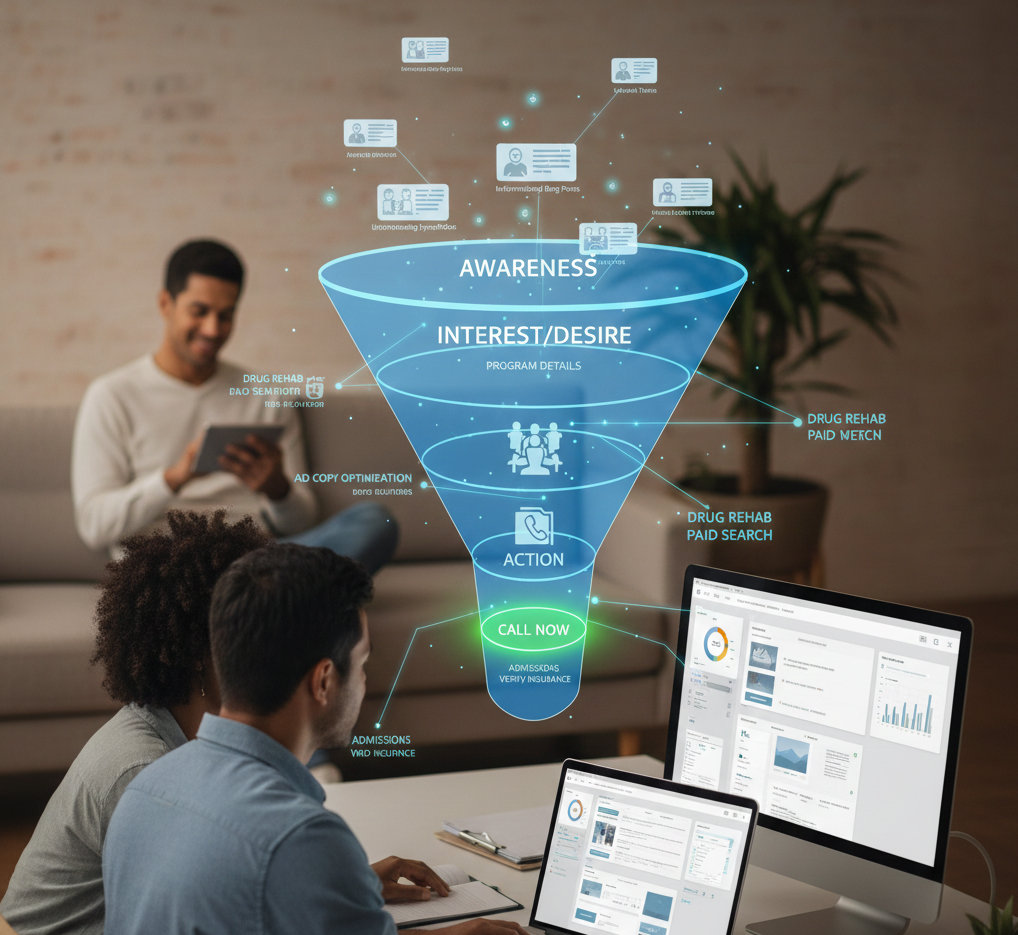
Beyond the 'Call Now' Ad: Using Funnel-Based Messaging to Nurture Drug Rehab PPC Leads
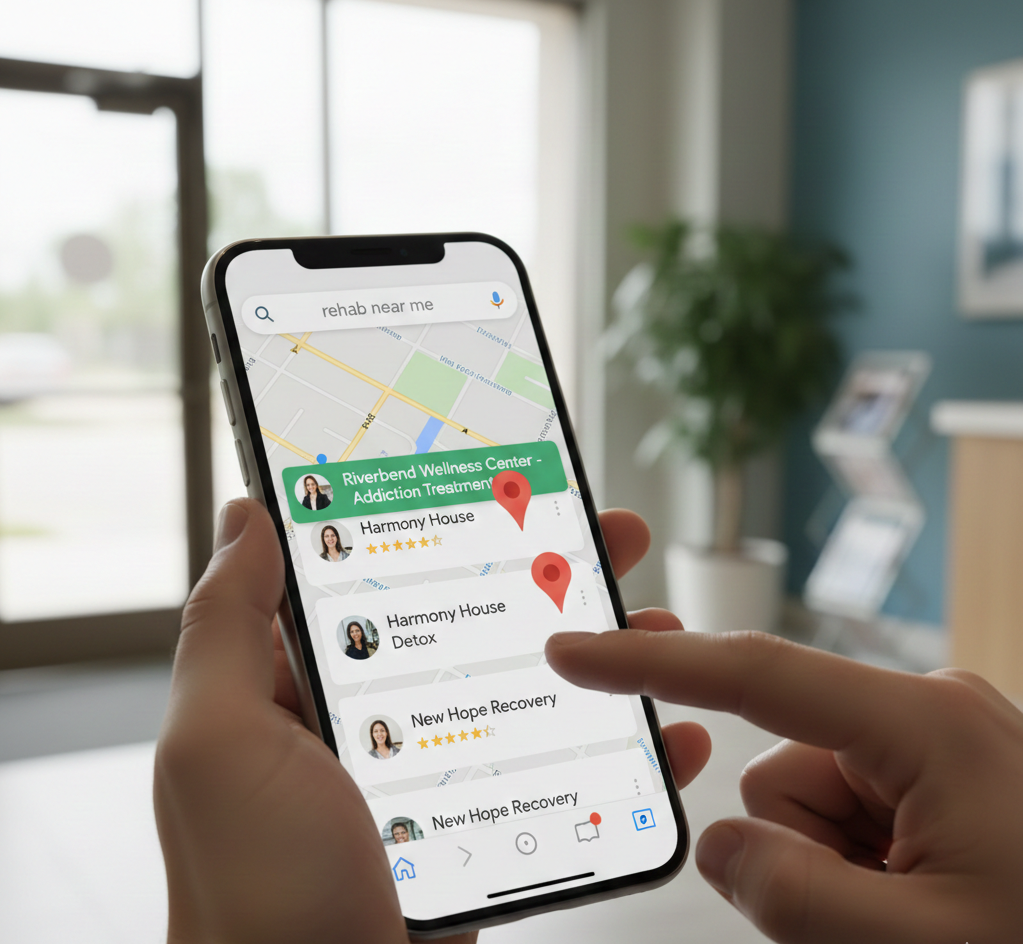
Winning the Local Search War: How to Master Google's Map Pack for Rehab Admissions
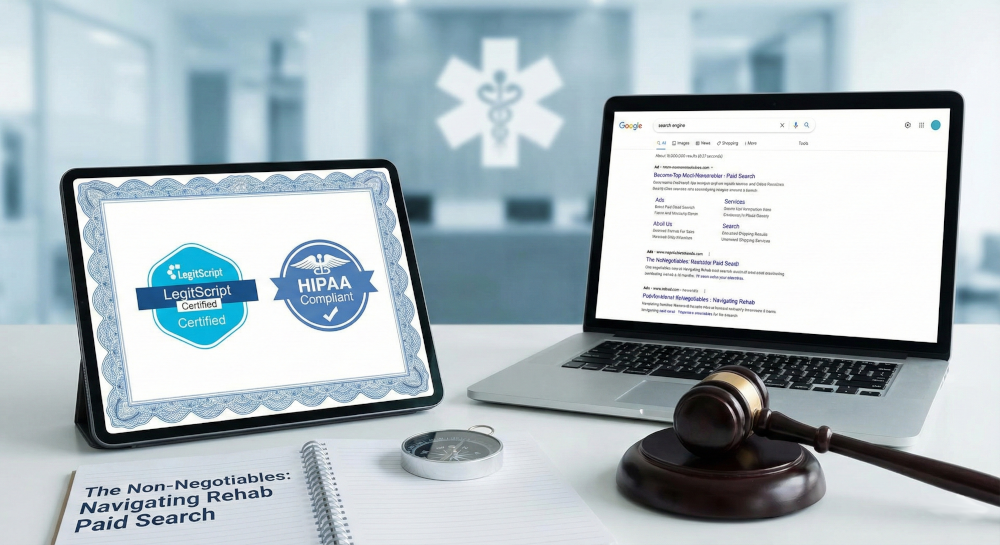
The Non-Negotiables: Navigating LegitScript and HIPAA Compliance for Drug Rehab Paid Search
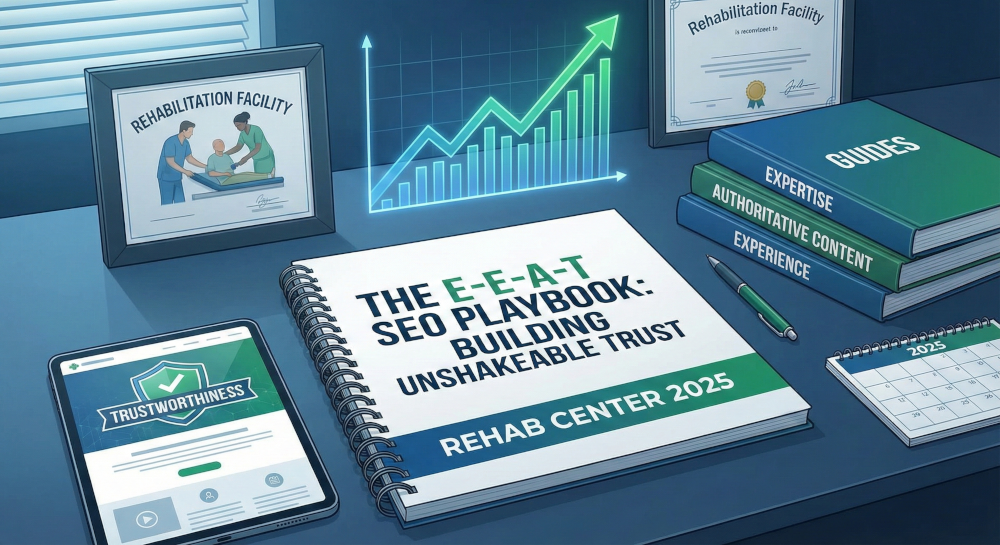
The E-E-A-T SEO Playbook: Building Unshakeable Trust for Your Rehab Center in 2025

Beyond the Bed Count: Marketing Client-Centered and Trauma-Informed Care

Harnessing AI for Hyper-Personalized Patient Outreach: A Treatment Center's Guide

Contact us today to get the conversation started!


