
In the highly competitive landscape of addiction treatment marketing, ranking on the first page of Google is no longer just about keywords and backlink volume. As we move into 2025, Google’s algorithms have refined their focus on a crucial differentiator: trust.
For rehabilitation centers digital marketing, the stakes couldn’t be higher. You operate squarely within what Google defines as “Your Money or Your Life” (YMYL) territory. The information published on your website doesn’t just influence a purchase decision; it can significantly impact a person’s health, safety, and future financial stability. Because the potential for harm due to inaccurate information is so high, Google holds rehab websites to its highest possible quality standards.
Meeting these standards requires a dedicated focus on E-E-A-T: Experience, Expertise, Authoritativeness, and Trustworthiness.
This is your playbook for executing a robust Rehab E-E-A-T strategy. By prioritizing these pillars, you do more than just appease search algorithms; you build the necessary bridge of confidence for individuals and families seeking life-saving help.
Overview
Understanding the YMYL Imperative
If a gardening blog gives bad advice, someone’s tomatoes might die. If an addiction treatment center’s blog gives inaccurate medical advice about detox protocols, someone could suffer severe health complications.
Google understands this distinction implicitly. Its Quality Rater Guidelines specifically highlight health and medical topics as prime YMYL examples. If your content lacks sufficient E-E-A-T, Google will suppress it to protect users, regardless of how well-optimized your keywords are.
To establish your facility as a genuine addiction treatment authority, your digital presence must prove that your content isn’t just marketing fluff—it’s reliable medical information backed by qualified professionals.
The “Double E”: Experience and Expertise
The first two pillars, Experience and Expertise, are about proving that the people behind your content know what they are talking about. In the medical field, generic content written by anonymous copywriters is a major red flag for search engines.
Feature Detailed Licensed Staff Bios
Your clinical team is your greatest asset for E-E-A-T. Don’t hide them on a generic “About Us” page. Every major clinical staff member—medical doctors, psychiatrists, licensed therapists (LCSW, LMFT), and certified addiction counselors—should have a dedicated bio page.
These bios must include:
-
Full credentials and licensure numbers.
-
Details of their education and specialized training.
-
Years of experience in addiction medicine.
-
Professional headshots.
When Google crawls these pages, it connects the entities (your staff) with specific medical expertise, validating your facility’s capability to treat patients.
Prioritize Clinician Bylines on Content
In 2025, who writes your content matters as much as what the content says. Medical content SEO now demands accountability.
Articles discussing treatment modalities, the science of addiction, or co-occurring disorders should feature clinician bylines. This means the content is either written directly by a qualified medical professional on your staff or, at the very least, medically reviewed and approved by one.
A clear “Medically Reviewed By [Dr. Jane Smith, MD]” notification at the top of an article carries immense weight. It signals to Google—and prospective patients—that the information is accurate and vetted by experts.
Authoritativeness: Your Reputation Among Peers
Authoritativeness is about your facility’s standing in the broader medical and addiction treatment community. You cannot simply claim authority; it must be recognized by others.
Secure High-Authority Backlinks
In the realm of rehab SEO, not all links are created equal. A hundred links from low-quality directories are worthless compared to a handful of links from highly respected sources.
Your goal is to earn backlinks from domains that Google already implicitly trusts. In the addiction space, the gold standard includes:
-
Government organizations: SAMHSA.gov, NIH.gov, CDC.gov.
-
Educational institutions: University hospital websites or .edu research pages.
-
Major health publishers: WebMD, Healthline (provided the context is medically sound).
-
Reputable news outlets: Reporting on your facility’s contributions to the community or unique treatment programs.
Earning these links requires effort—such as publishing original research, creating high-value resources that government sites want to reference, or having your clinical directors quoted as experts in national news.
Trustworthiness: The Foundation of Conversion
Trustworthiness is the final, and perhaps most critical, component of E-E-A-T. If users (and search engines) don’t feel safe on your site, nothing else matters.
Clearly Display Accreditations and Licenses
Transparency is key. Your website needs clear trust signals rehab seekers look for. Don’t bury your credentials.
Prominently display logos and verification links for major accrediting bodies in your website footer, “About” section, and even on your homepage. Crucial accreditations include:
-
The Joint Commission (JCAHO)
-
CARF (Commission on Accreditation of Rehabilitation Facilities)
-
LegitScript Certification (essential for running paid ads, but also a strong organic trust signal)
-
State-level licensing information
If a user has to dig to find out if you are a licensed medical facility, you have already lost their trust.
Technical Trust and Contact Information
Trustworthiness also extends to the technical security and transparency of your website.
-
HTTPS: Ensure your entire site is secure with an SSL certificate.
-
Clear Contact Info: Your physical address, phone number, and admissions email should be easy to find on every page.
-
Privacy Policy: A comprehensive privacy policy detailing how patient data is handled is mandatory for YMYL sites.
E-E-A-T is an Ethical Obligation
Incorporating E-E-A-T into your 2025 SEO strategy isn’t just about chasing algorithm updates. For addiction treatment centers, it’s an ethical obligation.
By ensuring your content is accurate, expertly sourced, and transparent, you are fulfilling a duty of care to vulnerable individuals seeking help online. When you prioritize patient safety through high-quality information, Google will prioritize your rankings. Start auditing your site today through the lens of E-E-A-T, and build a digital presence that truly reflects the quality of care you provide.
OTHER ARTICLES YOU MIGHT BE INTERESTED IN

AI in Addiction Marketing: Leveraging Automation and Data-Driven Personalization

Beyond the 'Call Now' Ad: Using Funnel-Based Messaging to Nurture Drug Rehab PPC Leads

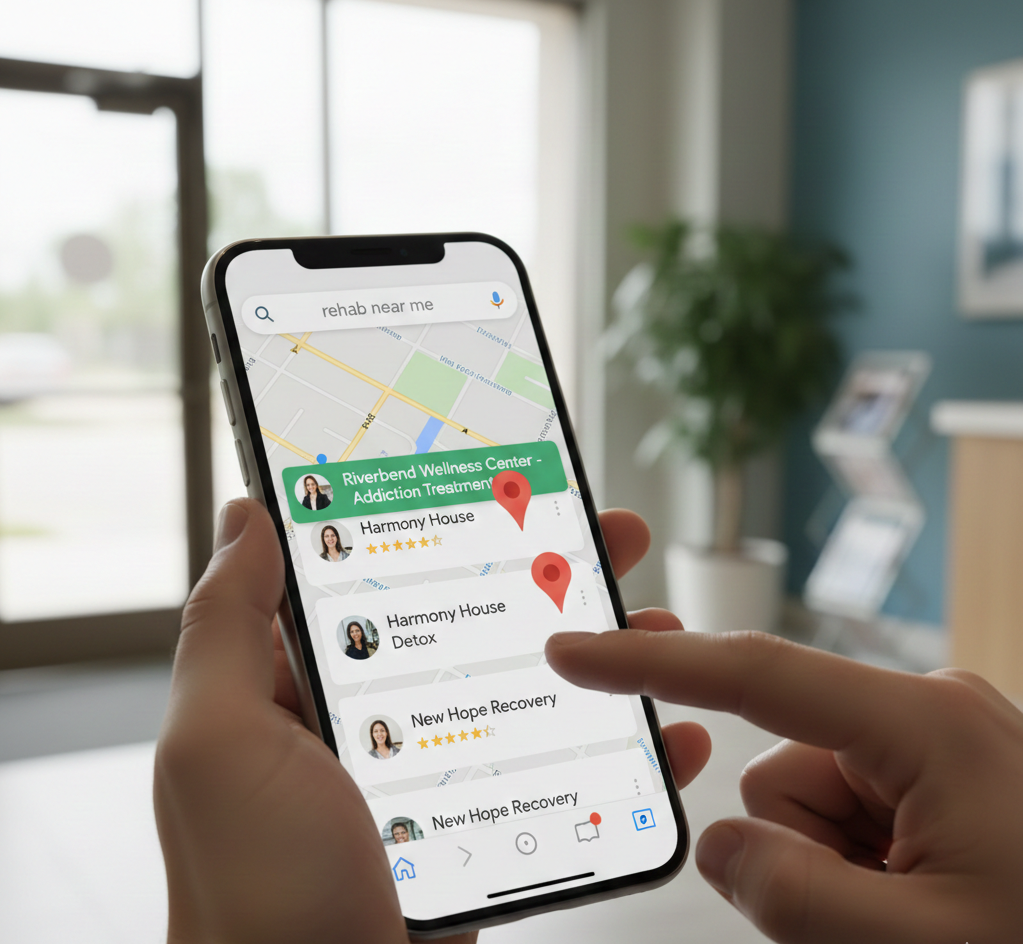
Winning the Local Search War: How to Master Google's Map Pack for Rehab Admissions
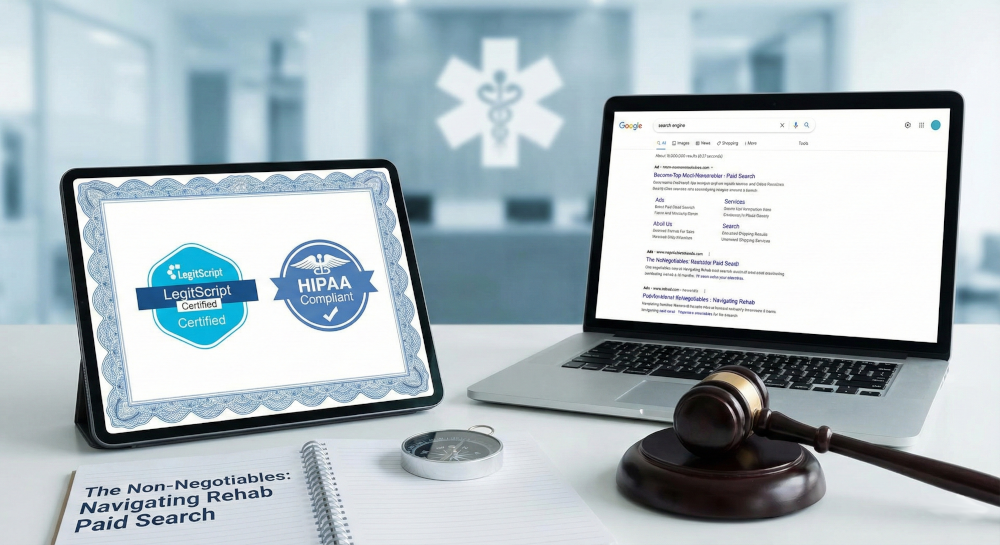
The Non-Negotiables: Navigating LegitScript and HIPAA Compliance for Drug Rehab Paid Search

Beyond the Bed Count: Marketing Client-Centered and Trauma-Informed Care

Harnessing AI for Hyper-Personalized Patient Outreach: A Treatment Center's Guide
Contact us today to get the conversation started!


