
In the competitive landscape of behavioral health, simply having a great treatment center program isn’t enough. Potential clients and their families are often overwhelmed and lost in a sea of generic marketing messages when they need help the most.
Modern treatment centers are now making a fundamental shift, moving past the ineffective “spray and pray” approach by leveraging the power of Artificial Intelligence (AI). This shift is revolutionizing the patient intake journey, making outreach more efficient, empathetic, and ultimately, more successful.
Overview
Why Generic Marketing is Failing the Behavioral Health Sector
The journey to seeking treatment is highly personal, often fraught with emotional and practical barriers. Generic email blasts or blanket advertising for a “drug addiction” or “depression” treatment center often miss the mark. A family searching for residential care for a teen requires a vastly different message than a young professional looking for outpatient cognitive behavioral therapy (CBT).
This is where AI in treatment center marketing steps in, transforming mass communication into a series of one-on-one, digital conversations.
The Engine of Change: Real-Time Data Analytics
The foundation of true personalization is data. Modern marketing automation platforms, powered by AI, are capable of ingesting and analyzing vast amounts of user information in real-time. This includes:
-
Digital Behavior: Website pages visited, content downloaded, previous ad engagement, and search terms used.
-
Demographic & Geographic Data: Location, age range, and potential distance from the facility.
-
Source of Inquiry: Whether the lead came from a third-party referral, a specific search ad, or an organic blog post.
-
Initial Inquiry Details: The specific language used in a contact form or a chat bot interaction.
The AI utilizes real-time data analytics to build a dynamic profile for every individual. This is far more effective than static lead scoring; it means an ad or email can instantly adapt based on a user’s latest interaction—such as viewing the “Admissions” page a second time.
Achieving Hyper-Personalization at Scale
Using these rich data profiles, AI-driven systems are now capable of delivering truly personalized patient outreach.
Dynamic Audience Segmentation
AI moves beyond basic segmentation (e.g., “Email List A” vs. “Email List B”). It creates micro-segments instantly based on the probability of conversion, specific needs, and preferred communication style.
-
Example: A user who has visited pages on “alcohol detox” and “insurance verification” might be immediately segmented to receive a geographically-targeted ad detailing a no-cost insurance check and an email focused on the safety and comfort of the center’s detox wing.
Content and Channel Optimization
This is where behavioral health AI shines. It doesn’t just personalize the name in the email; it personalizes the entire message and delivery method:
-
Email Timing: AI learns when a specific prospect is most likely to open an email (e.g., 9:15 AM on a Tuesday) and schedules the send accordingly.
-
Ad Creative: It automatically rotates ad copy and imagery based on which message resonated most with similar profiles, ensuring the ad seen is highly relevant (e.g., an ad emphasizing family support vs. one highlighting career focus).
-
Channel Preference: If the system detects a user has a high engagement rate with SMS follow-ups but ignores emails, it automatically prioritizes text messaging for future communications.
Streamlining the Patient Intake Automation
The benefit of AI extends beyond marketing into the crucial first stage of care: intake. For treatment centers, a fast, seamless intake process can be the difference between a client getting help and giving up.
Patient intake automation tools leverage AI to:
-
Triage and Prioritize: Chatbots and virtual assistants, trained on clinical data, can quickly and empathetically gather essential pre-admission information, prioritize urgent cases for human intervention, and manage non-urgent inquiries 24/7.
-
Documentation & Verification: AI can automatically collect and verify insurance details, pre-populating forms to dramatically reduce the administrative burden on both the staff and the family during a stressful time.
-
Minimize Friction: By ensuring staff have a complete, AI-summarized profile of the prospect’s needs and digital journey before the first phone call, the human connection becomes immediately more informed and empathetic, cutting down on repetitive questions and accelerating the path to admission.
The Future is Empathetic Efficiency At Treatment Centers
The integration of AI is not about replacing the human element of care; it’s about freeing up clinicians and admissions staff to focus on the moments that truly require human empathy and expertise.
By utilizing AI in treatment center marketing for intelligent segmentation and real-time data analytics, treatment centers can replace generic, wasteful outreach with timely, targeted, and highly relevant communication. The result is a more efficient organization and, more importantly, a less confusing and more supportive journey for a patient seeking life-saving treatment.
OTHER ARTICLES YOU MIGHT BE INTERESTED IN

AI in Addiction Marketing: Leveraging Automation and Data-Driven Personalization
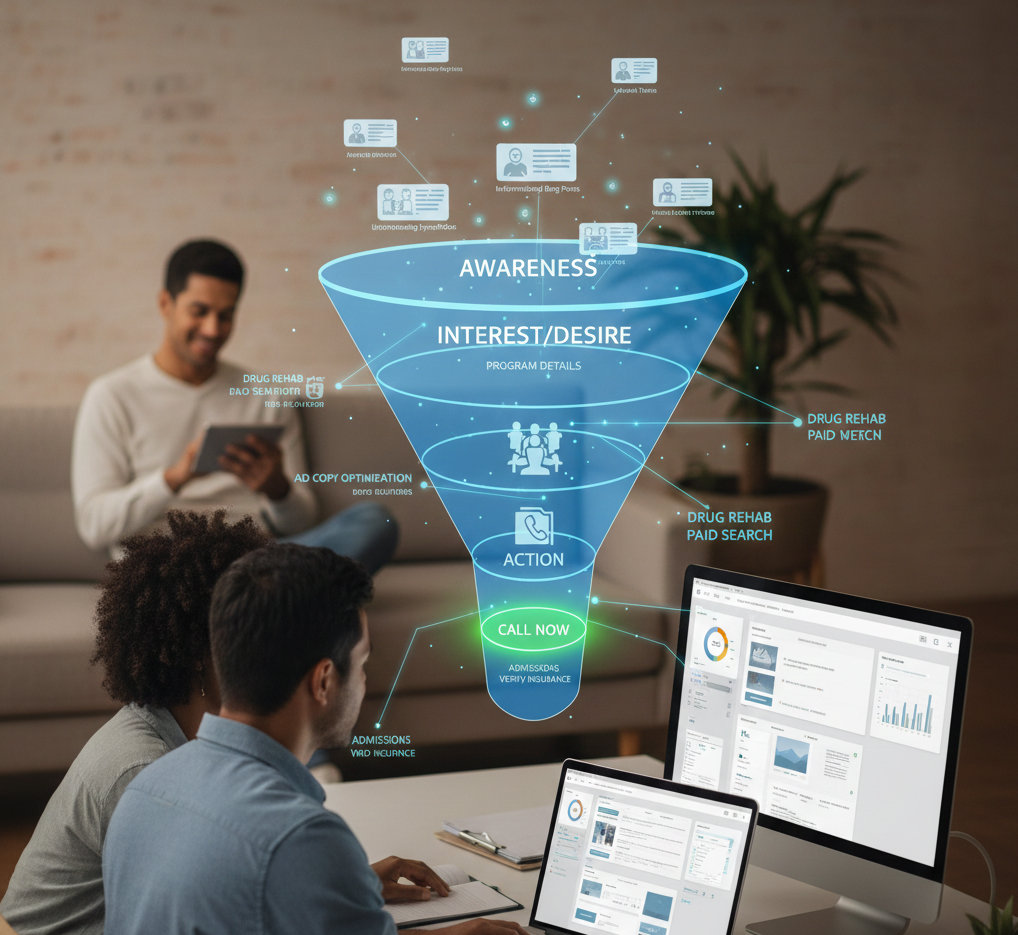
Beyond the 'Call Now' Ad: Using Funnel-Based Messaging to Nurture Drug Rehab PPC Leads

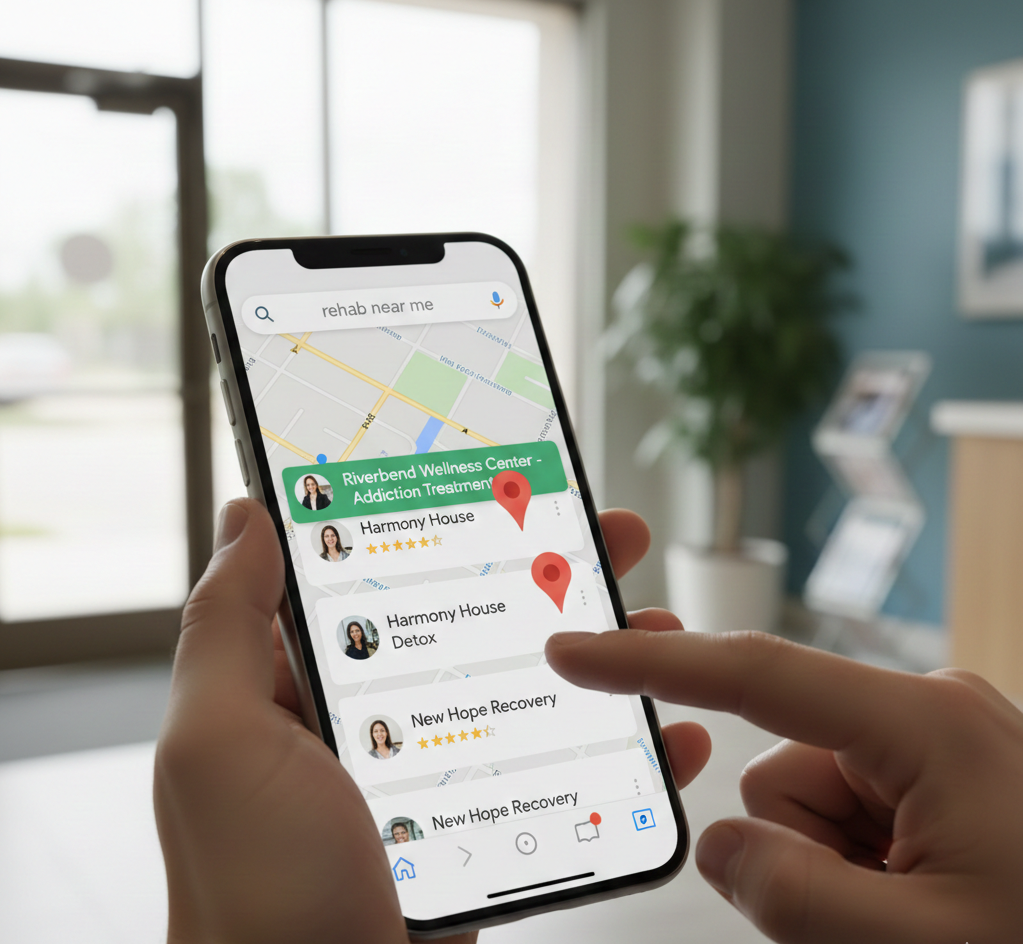
Winning the Local Search War: How to Master Google's Map Pack for Rehab Admissions
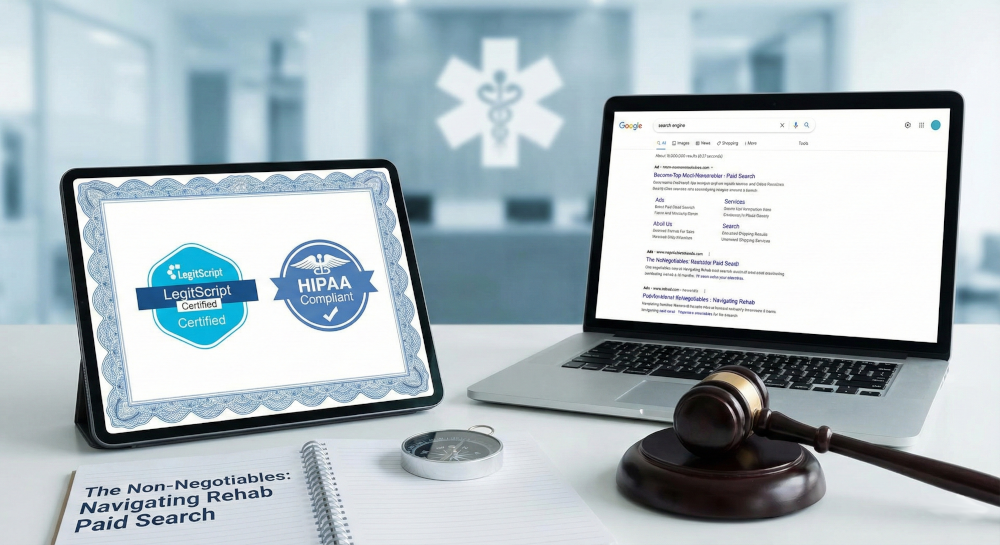
The Non-Negotiables: Navigating LegitScript and HIPAA Compliance for Drug Rehab Paid Search
The E-E-A-T SEO Playbook: Building Unshakeable Trust for Your Rehab Center in 2025
Beyond the Bed Count: Marketing Client-Centered and Trauma-Informed Care
Contact us today to get the conversation started!


