
For drug rehabilitation facilities, marketing is not just about driving traffic; it’s about connecting with individuals and families who are at a critical point of decision, often with urgent needs. In the highly competitive world of Pay-Per-Click (PPC) advertising for addiction treatment, generic keywords like “drug rehab” or “addiction treatment” often result in soaring Cost-Per-Click (CPC) and middling return on investment (ROI).
The key to unlocking greater efficiency and higher quality leads lies in a fundamental shift in your PPC management strategy: embracing the power of long-tail keywords.
Overview
The Problem with Broad Keywords in Addiction Treatment
When someone types a broad term like “rehab center” into Google, their intent is often unclear. They might be a student researching a paper, a clinician comparing facilities, or a family member just starting their search. For a drug rehab facility, bidding on this broad term means competing with every other national and local provider, driving up the CPC to unsustainable levels. Furthermore, the conversion rate for these general clicks is typically low because the searcher is nowhere near the bottom of the decision funnel. You are paying a premium for clicks that are unlikely to result in an admission.
Unlocking High-Intent Searches with Specificity
Long-tail keywords are highly specific search phrases – usually three or more words—that precisely describe what a user is looking for. While these keywords have a lower search volume individually, they collectively account for the vast majority of search traffic.
In the context of addiction treatment, consider the difference between these two searches:
- Broad: “alcohol treatment”
- Long-Tail: “inpatient heroin detox center with trauma therapy near Dallas”
The user who searches the long-tail phrase is expressing extremely high intent. They know what they are looking for, they know where they are, and they are deep into the decision process. Targeting this specificity is the core of a successful drug rehab PPC campaign.
The Financial and Strategic Benefits
The immediate benefits of pivoting your PPC strategy to focus on long-tail keywords are twofold:
- Reduced Cost-Per-Click (CPC): Since fewer facilities are bidding on highly specific phrases like “luxury residential treatment for dual diagnosis anxiety,” the competition drops dramatically. Lower competition translates directly into a lower average CPC, allowing your budget to stretch further and generate more clicks for the same investment.
- Increased Conversion Rate Optimization: The primary goal of a drug rehab marketing team is to drive admissions. The person searching for “inpatient heroin detox center with trauma therapy” is not browsing; they are seeking a solution. When your ad copy and landing page directly match this specific need, the relevancy score increases, and the likelihood of the user making a high-intent action (like calling your admissions line or filling out a detailed form) skyrockets. This focus on relevance is the essence of conversion rate optimization.
How to Identify and Target Winning Long-Tail Keywords
Successfully leveraging long-tail keywords requires a disciplined approach to research and campaign structure.
Deepen Your Local PPC Research:
- Use PPC Tools: Employ tools like Google Keyword Planner, SEMrush, or Ahrefs to find low-volume, high-intent searches related to your services. Look beyond the obvious (e.g., “cocaine rehab”) and explore terms related to therapy modalities (e.g., “CBT for opioid addiction”), co-occurring disorders (e.g., “dual diagnosis treatment center depression”), and specific demographic needs (e.g., “veterans alcohol rehab”).
- Mine Your Internal Data: Analyze your website’s site search data, call center logs, and existing conversion reports. What phrases do people use after they arrive on your site? What specific questions are your admissions coordinators answering? These are gold mines for long-tail keyword ideas.
Structure Your Campaigns for Specificity (SKAGs or STAGs):
The most effective way to manage long-tail keywords is through tight Ad Group structures.
- Single Keyword Ad Groups (SKAGs): While traditional, this structure involves creating an ad group for a single, highly specific long-tail keyword (or a very tight cluster of related keywords). This allows you to write ad copy that is a perfect match for the search query, maximizing your Quality Score and driving down your CPC.
- Single-Theme Ad Groups (STAGs): A more modern approach groups a set of highly specific, closely related long-tail keywords into a theme (e.g., all trauma-related searches).
Align Ad Copy and Landing Pages:
For the long-tail strategy to work, the user’s journey must be seamless. If a user searches for “outpatient treatment for prescription pill addiction,” your ad and the dedicated landing page they click through to must prominently feature those exact terms. This radical relevancy is what drives the high conversion rate optimization associated with long-tail keywords. Generic landing pages will negate the competitive advantage of your specific keyword targeting.
Inquire About Local PPC Management at Sachs Marketing Group Today
In the competitive landscape of drug rehab marketing, efficiency is king. Bidding on expensive, general keywords is often a costly path to low-quality leads. By shifting your PPC strategy to champion long-tail keywords, your marketing team can tap into lower-competition markets, drastically reduce your CPC, and connect directly with individuals executing high-intent searches. This precision-based approach ensures that every dollar spent is more likely to result in a life-changing admission, proving that the power of specificity is the ultimate key to sustainable ROI.
Ready to rise above your competitors in local search? Sachs Marketing Group specializes in helping rehab centers strengthen their online visibility and dominate local ad placements. Contact us today to learn how our Local PPC strategies can drive more calls, clicks, and admissions for your facility.
OTHER ARTICLES YOU MIGHT BE INTERESTED IN

AI in Addiction Marketing: Leveraging Automation and Data-Driven Personalization

Beyond the 'Call Now' Ad: Using Funnel-Based Messaging to Nurture Drug Rehab PPC Leads

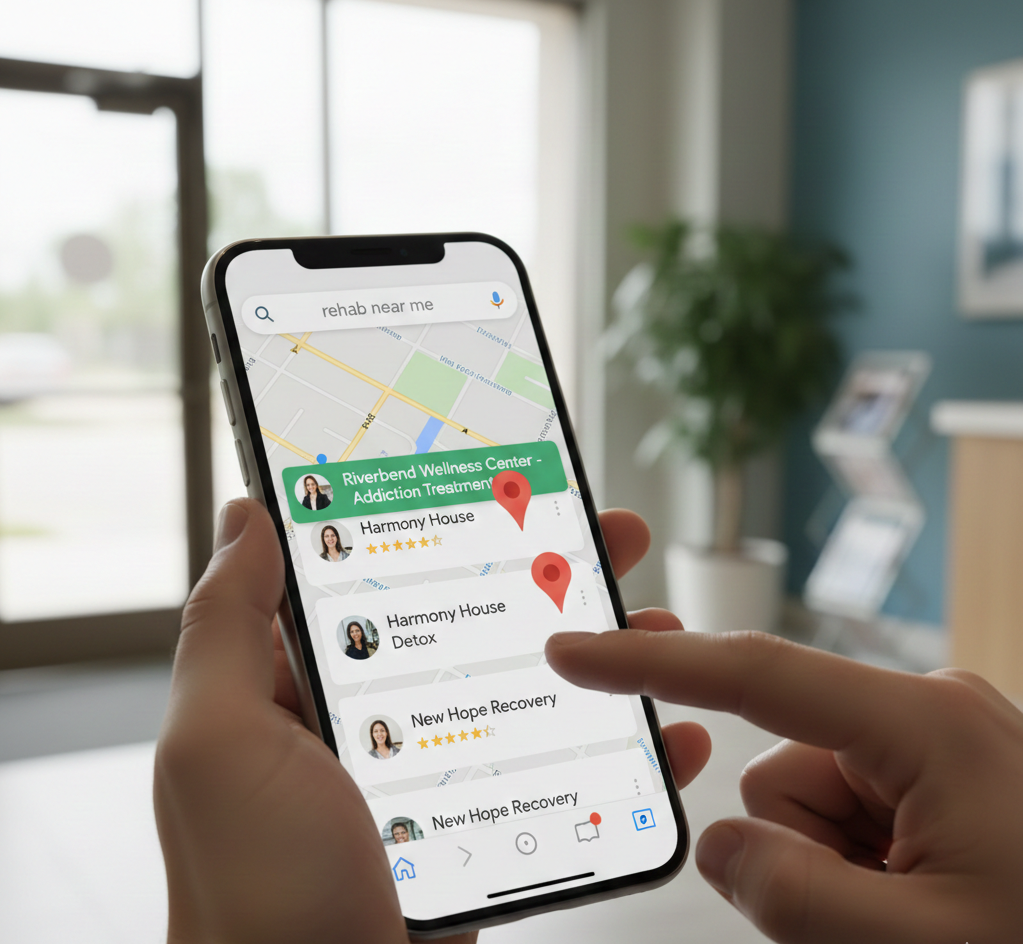
Winning the Local Search War: How to Master Google's Map Pack for Rehab Admissions

The Non-Negotiables: Navigating LegitScript and HIPAA Compliance for Drug Rehab Paid Search
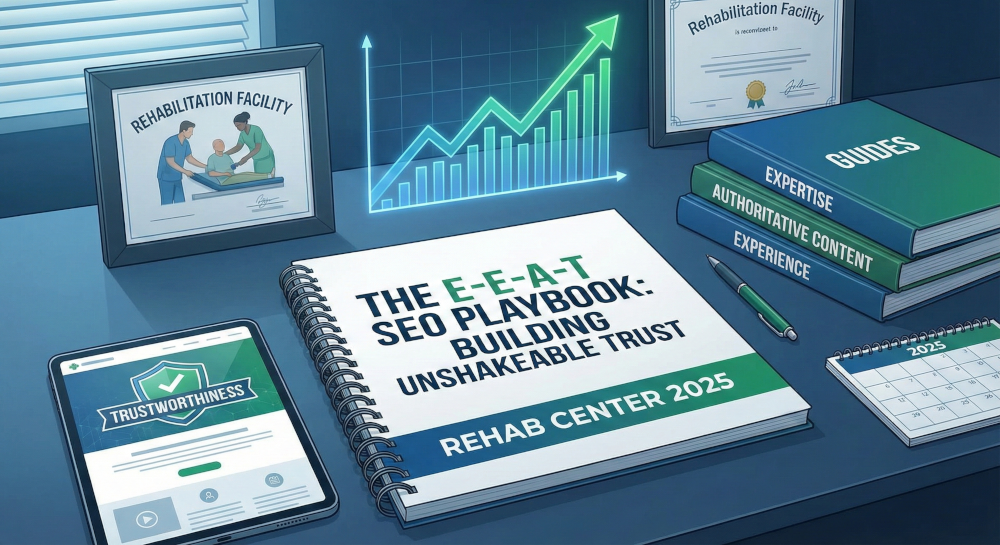
The E-E-A-T SEO Playbook: Building Unshakeable Trust for Your Rehab Center in 2025

Beyond the Bed Count: Marketing Client-Centered and Trauma-Informed Care

Contact us today to get the conversation started!


