In the competitive landscape of addiction treatment, simply running a “Call Now” ad for your drug rehab facility often falls short. While direct response ads have their place, a significant trend is emerging: moving beyond single, generic ads to a more sophisticated, nuanced approach. We will break down how to implement funnel-based messaging in your drug rehab paid search campaigns, creating unique ad copy and landing page content tailored to each stage of the patient journey: Awareness, Interest, Desire, and Action. By connecting paid search to a larger content strategy, you can link ads to informational blog posts (top of funnel) versus conversion-focused pages (bottom of funnel) for better lead quality and a lower CPA (Cost Per Acquisition).
The journey to recovery is deeply personal and rarely linear. A person grappling with addiction, or a family member seeking help for them, moves through various emotional and informational stages. A one-size-fits-all ad fails to acknowledge this complexity, often resulting in wasted ad spend on unqualified clicks. By understanding and addressing the distinct needs at each stage of the funnel, you can guide potential patients more effectively and compassionately.
Overview
The Patient Journey: A Multi-Stage Process
Before diving into ad specifics, let’s briefly review the classic marketing funnel and how it applies to the unique context of drug rehab:
-
Awareness: At this stage, individuals may be recognizing a problem but not yet ready to commit to treatment. They are seeking information, understanding symptoms, or exploring general options.
-
Interest: Here, the individual acknowledges a need for help and begins researching specific types of treatment, understanding different modalities, and learning about the recovery process.
-
Desire: The potential patient has a clearer idea of what they need and wants. They are evaluating specific facilities, programs, and weighing pros and cons.
-
Action: This is the point of decision – they are ready to reach out, verify insurance, or begin the admissions process.
Each stage demands different messaging, content, and calls to action.
Awareness Stage: Informative Ads & Top-of-Funnel Content
At the top of the funnel, your goal isn’t immediate conversion; it’s to provide valuable information and establish your facility as a credible resource. People searching at this stage might use broad, informational keywords such as “signs of alcohol abuse,” “how to help a loved one with addiction,” or “understanding opioid dependency.”
Your ad copy optimization for the Awareness stage should focus on empathy and education, not a hard sell.
-
Ad Copy Example:
-
Headline 1: “Is Addiction Affecting Your Family?”
-
Headline 2: “Understand the Signs & Get Info”
-
Description: “Learn about common addiction symptoms and how to support recovery. Explore our free guides.”
-
Landing Page Optimization
Instead of directing these clicks to your “Admissions” page, link them to a comprehensive blog post or resource hub on your site. Examples include: “Understanding the Cycle of Addiction,” “How to Talk to Someone About Their Drinking,” or “Different Types of Addiction Treatment Explained.” This strategy provides value, builds trust, and keeps them on your site longer, improving SEO signals.
By offering valuable, non-salesy content, you’re nurturing a potential lead without pressuring them. This soft approach increases the likelihood they’ll remember and return to your site when they’re further along in their journey.
Interest Stage: Exploring Options & Program Details
Once a person moves into the Interest stage, they’re starting to look more specifically at treatment options. Their search queries might include “inpatient vs. outpatient rehab,” “medication-assisted treatment explained,” or “holistic addiction programs.”
Your ad copy here should highlight the range of services and programs you offer, showcasing your expertise and diversity of treatment modalities.
-
Ad Copy Example:
-
Headline 1: “Explore Personalized Rehab Programs”
-
Headline 2: “Inpatient, Outpatient, MAT Options”
-
Description: “Discover comprehensive addiction treatment tailored to your unique needs. Learn about our therapies.”
-
Landing Page Optimization
Direct these ads to dedicated program pages that detail specific treatment offerings (e.g., “Our Inpatient Program,” “Dual Diagnosis Treatment,” “Therapies Offered”). These pages should be rich in content, explaining methodologies, daily schedules, and the benefits of each program. Provide FAQs and testimonials to further engage the user.
This stage is about informing the user about what you do and how you can help, moving them closer to understanding if your facility is the right fit.
Desire Stage: Building Trust & Demonstrating Value
At the Desire stage, potential patients are evaluating specific facilities and trying to decide where to seek help. They might be searching for “best rehabs for young adults,” “addiction treatment success rates,” or “rehabs with good reviews.” This is where you need to differentiate your facility and build a strong case for why you are the best choice.
Ad copy optimization for this stage should focus on your unique selling propositions, accreditations, success stories, and specialized care.
-
Ad Copy Example:
-
Headline 1: “Award-Winning Addiction Treatment”
-
Headline 2: “Highly Rated & Proven Results”
-
Description: “Read testimonials, explore our compassionate approach, and see why families trust us for lasting recovery.”
-
Landing Page Optimization
This is the perfect place for “Why Choose Us” pages, detailed “About Us” sections emphasizing your philosophy and team, staff bios, comprehensive testimonial pages, and accreditation information. Consider including virtual tours or patient success stories (with consent). The goal is to build confidence and establish an emotional connection.
The messaging should shift from general information to specific reasons why your facility stands out, fostering a sense of hope and trust.
Action Stage: Clear Calls-to-Action & Conversion Focus
Finally, at the Action stage, the potential patient or their family is ready to take the decisive step. They’re likely searching for terms like “admissions for drug rehab,” “verify insurance for addiction treatment,” or “start rehab today.”
Here, your ad copy needs to be direct, urgent (without being manipulative), and clearly state the next step. This is where the “Call Now” or “Get Started” ads truly shine, but even these can be optimized with funnel-based messaging.
-
Ad Copy Example:
-
Headline 1: “Start Your Recovery Journey Today”
-
Headline 2: “Confidential Admissions & Insurance”
-
Description: “Speak to an admissions specialist now. Verify your insurance and begin healing. Call 24/7.”
-
Landing Page Optimization
This must be a highly conversion-optimized page. Think “Admissions,” “Contact Us,” or a dedicated “Insurance Verification” page. Key elements include: a clear phone number prominently displayed, a simple and secure contact form, direct chat options, and reassuring language about confidentiality and support. Reduce distractions and make the path to action as smooth as possible.
Connecting Paid Search to a Larger Content Strategy for Better CPA
The beauty of funnel-based messaging is how it seamlessly integrates drug rehab paid search with your broader content marketing efforts. By guiding users with relevant ads to appropriate content, you’re not just getting clicks; you’re getting qualified clicks.
Top of Funnel Ads
Drive traffic to educational blog posts. While these clicks might not convert immediately, they introduce your brand, build trust, and can be remarketed to later. This reduces your CPA for initial engagement.
Middle of Funnel Ads
Direct users to program-specific pages, testimonials, or facility tours. These users are warmer and closer to making a decision.
Bottom of Funnel Ads
Lead directly to admission forms or phone calls. These are your highest-intent leads, and by nurturing them through the earlier stages, you increase the likelihood of conversion and achieve a lower CPA for actual patient admissions.
This strategic approach allows you to engage with potential patients at their current emotional and informational state, providing value at every interaction. It’s more compassionate, more effective, and ultimately, more economical. By moving beyond generic “Call Now” ads and embracing a comprehensive funnel-based messaging strategy, your drug rehab facility can significantly improve lead quality, reduce CPA, and help more individuals find the path to lasting recovery.
OTHER ARTICLES YOU MIGHT BE INTERESTED IN

AI in Addiction Marketing: Leveraging Automation and Data-Driven Personalization

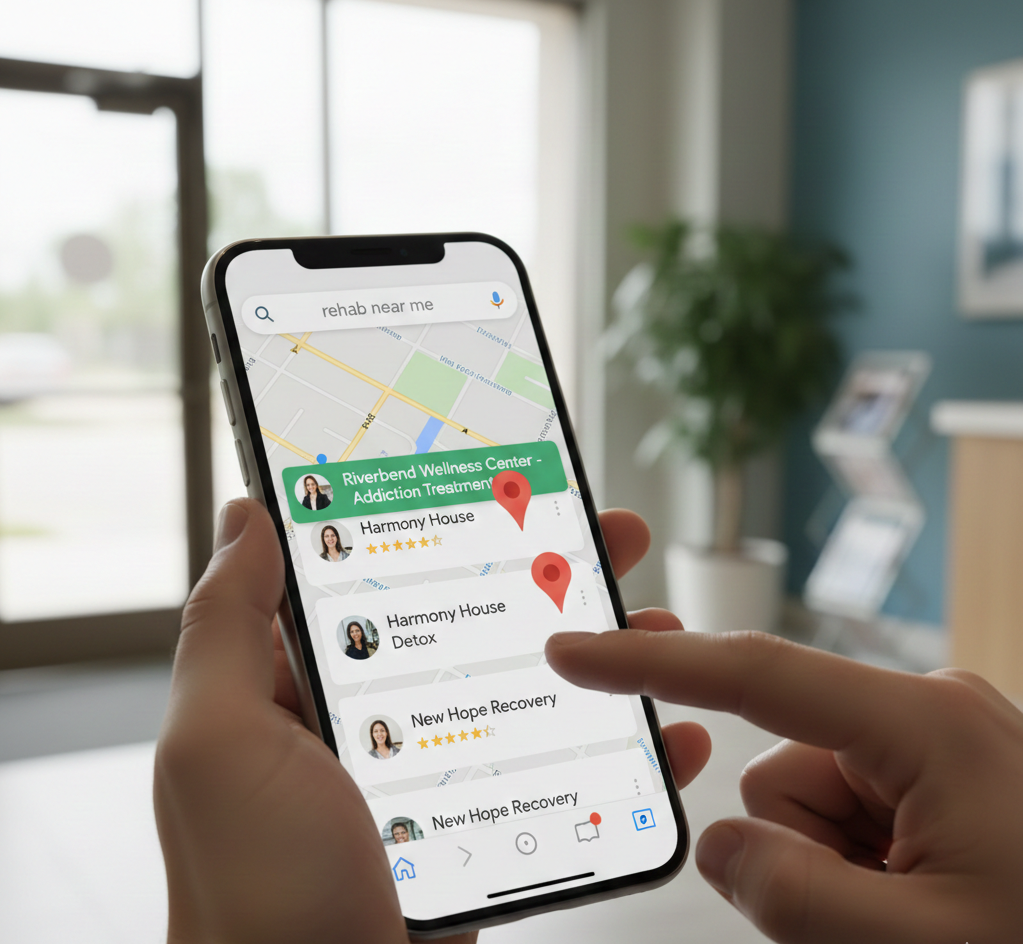
Winning the Local Search War: How to Master Google's Map Pack for Rehab Admissions
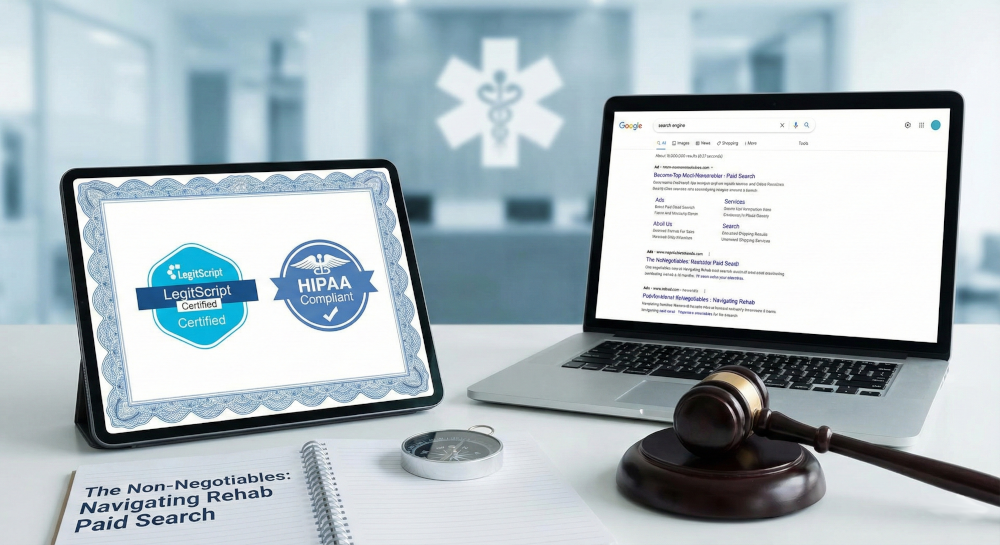
The Non-Negotiables: Navigating LegitScript and HIPAA Compliance for Drug Rehab Paid Search
The E-E-A-T SEO Playbook: Building Unshakeable Trust for Your Rehab Center in 2025

Beyond the Bed Count: Marketing Client-Centered and Trauma-Informed Care

Harnessing AI for Hyper-Personalized Patient Outreach: A Treatment Center's Guide

Contact us today to get the conversation started!


