
The landscape of addiction treatment is constantly evolving, and with it, the strategies employed to connect those in need with life-saving resources. In this digital age, AI for rehab marketing is no longer a futuristic concept but a powerful tool being embraced by forward-thinking facilities. This blog post explores the ethical and compliant use of Artificial Intelligence in drug rehab SEO, delving into how AI can revolutionize everything from deep keyword research to predicting patient needs, all while emphasizing the indispensable role of human oversight.
The core challenge in addiction marketing lies in reaching individuals and families during a highly vulnerable and often urgent time. Traditional marketing methods, while still valuable, can lack the precision and personalization required to truly resonate. This is where AI steps in, offering capabilities that allow for a more nuanced and effective approach.
Overview
The Power of AI in Deep Keyword Research
At the heart of any successful SEO strategy is robust keyword research. For drug rehabs, this isn’t just about identifying common search terms; it’s about understanding the complex language and emotional context surrounding addiction and recovery. AI excels in this area, going far beyond manual methods.
Imagine an AI system sifting through vast amounts of data, including search queries, forum discussions, and even social media conversations, to uncover not just the explicit keywords (“drug rehab near me,” “addiction treatment centers”) but also the implicit, long-tail queries that reveal a deeper intent. This could include phrases like “how to help a loved one with opioid addiction,” “signs of alcohol abuse in teens,” or “paying for mental health and addiction treatment.”
AI can identify emerging trends in search behavior, helping rehabs anticipate the needs of potential patients even before those needs become widely recognized. This deep dive into keyword research enables a truly data-driven SEO strategy, ensuring that content is crafted around the specific questions and concerns of those seeking help. The result is a more relevant online presence that connects with individuals precisely when they are searching for answers.
Automating Lead Follow-Up: Compassion at Scale
Once a potential patient or family member makes an initial inquiry, the speed and quality of the follow-up can be critical. This is an area where marketing automation rehab applications can make a profound difference. AI-powered chatbots and automated email sequences can provide immediate, empathetic responses to inquiries, guiding individuals to the next step in their journey without delay.
For instance, if someone fills out a form on a rehab’s website, an AI can instantly send a personalized email acknowledging their inquiry, providing relevant information about treatment options, and suggesting next steps, such as scheduling a confidential call. If the individual doesn’t respond, the AI can initiate a series of follow-up messages, tailored to their initial query, without being intrusive.
This automation frees up admissions staff to focus on more complex, personal interactions, while ensuring that no lead falls through the cracks. It’s about providing support and information efficiently, demonstrating a commitment to care from the very first interaction.
Predicting Patient Needs and Tailoring Website Messaging
One of the most exciting applications of AI in addiction marketing is its ability to predict patient needs and personalize the user experience on a website. By analyzing anonymized data from previous website visitors, AI can identify patterns in behavior, such as the types of pages individuals view, the content they engage with, and the questions they typically ask.
Armed with this insight, AI can dynamically adjust website content and messaging to better resonate with each visitor. For example, if an AI detects that a visitor is primarily looking at information about opioid addiction, it can prioritize displaying success stories related to opioid recovery, relevant blog posts, and specific program details for opioid treatment. This creates a truly personalized treatment search experience, making the website feel more responsive and understanding of the individual’s unique situation.
This level of personalization not only improves the user experience but also increases the likelihood of conversion. When individuals feel understood and see information directly relevant to their needs, they are more likely to trust the facility and take the next step towards seeking help.
The Critical Need for Human-Expert Review: E-E-A-T Compliance
While AI offers incredible advantages, it is crucial to understand its limitations, especially in sensitive fields like addiction treatment. The information provided to individuals seeking help must be accurate, empathetic, and ultimately, trustworthy. This is where the concept of E-E-A-T (Experience, Expertise, Authoritativeness, and Trustworthiness), a cornerstone of Google’s search quality guidelines, becomes paramount.
Every piece of content generated or optimized with AI, whether it’s a blog post, website copy, or an email sequence, must undergo rigorous human-expert review. AI content review by medical professionals, addiction specialists, and experienced marketing professionals is non-negotiable.
Human experts bring empathy, nuance, and clinical accuracy that AI, by its very nature, cannot fully replicate. They can ensure that the language is compassionate, that medical claims are accurate, and that the overall message aligns with the ethical standards of addiction treatment. This oversight ensures that the AI-powered marketing efforts not only attract individuals but also provide them with reliable and supportive information.
Furthermore, human review is essential for maintaining brand voice and ensuring that the content genuinely reflects the values and approach of the treatment center. AI can generate text, but it’s the human touch that imbues it with authenticity and genuine care.
The Future is Collaborative
The integration of AI in addiction marketing is not about replacing human effort but augmenting it. It’s about creating a more efficient, data-driven, and personalized approach to connecting with individuals who desperately need help. By leveraging AI for deep keyword research, automating lead follow-up, and predicting patient needs, treatment centers can optimize their reach and impact.
However, the ethical imperative remains clear: AI is a tool, and like any powerful tool, it must be wielded responsibly. The critical need for human-expert review ensures that while we embrace the future of AI for rehab marketing, we never lose sight of the compassion, accuracy, and trustworthiness that are the hallmarks of effective addiction treatment. The future of addiction marketing is a collaborative one, where intelligent machines empower human experts to make a greater difference in the lives of those seeking recovery. Here’s an image of a person receiving treatment for their addiction.
OTHER ARTICLES YOU MIGHT BE INTERESTED IN
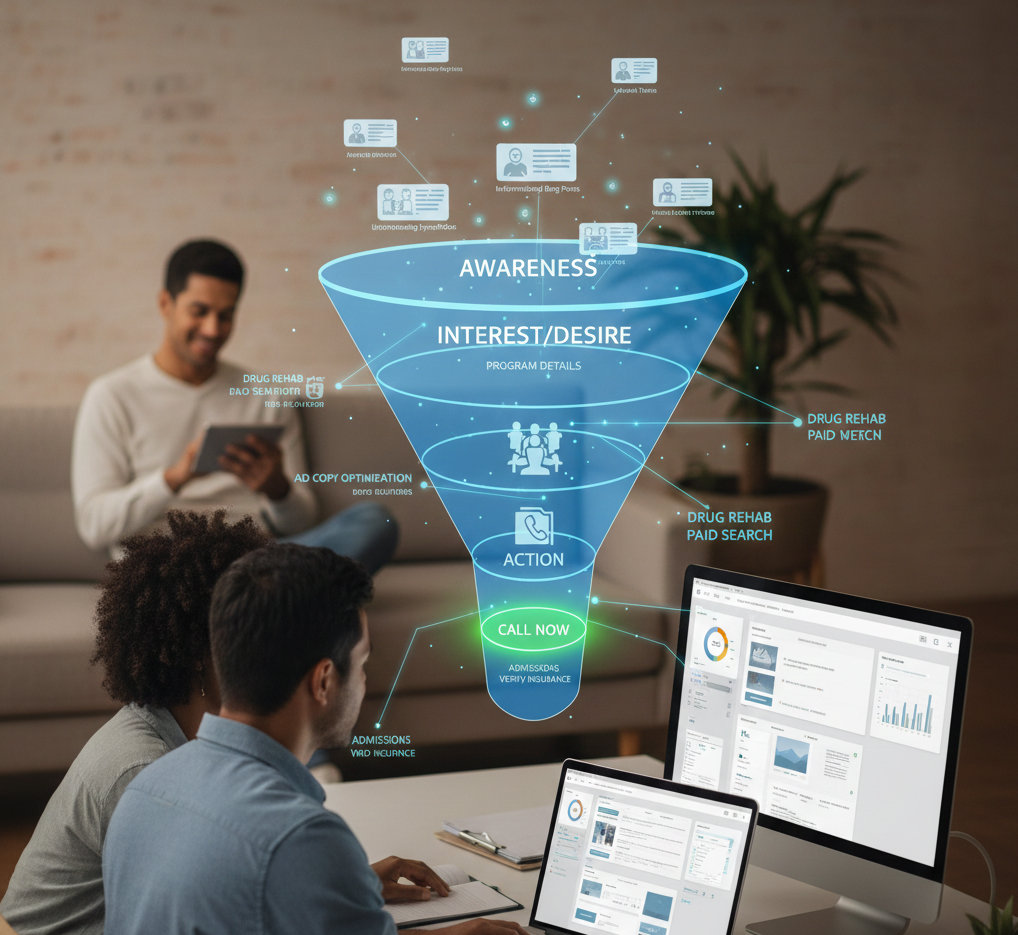
Beyond the 'Call Now' Ad: Using Funnel-Based Messaging to Nurture Drug Rehab PPC Leads

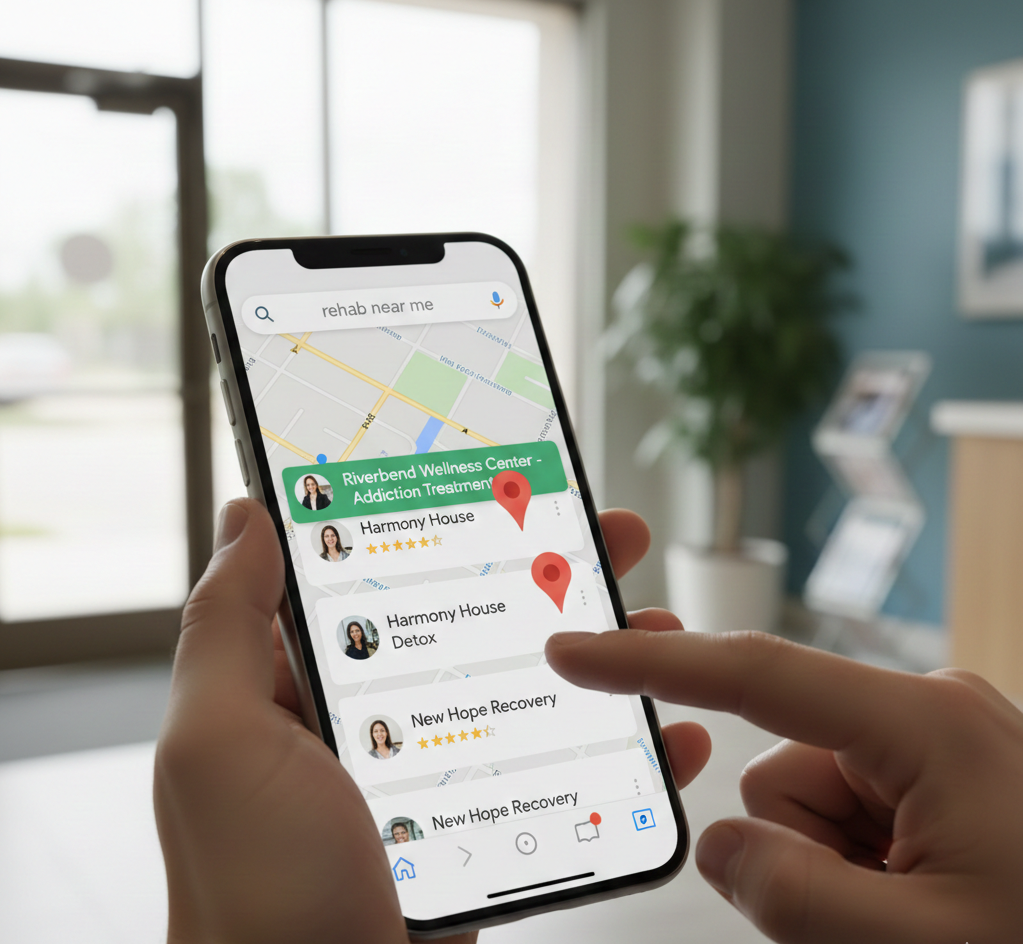
Winning the Local Search War: How to Master Google's Map Pack for Rehab Admissions
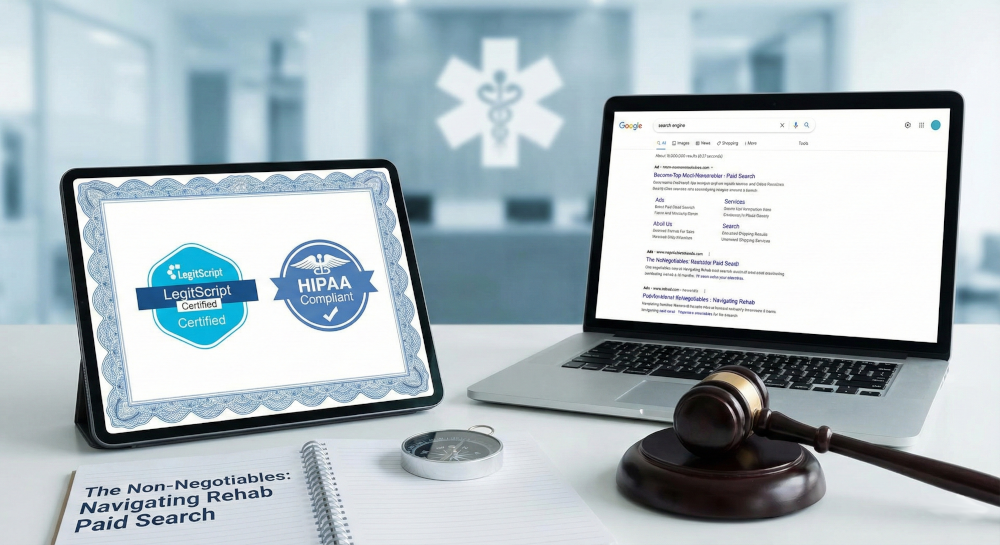
The Non-Negotiables: Navigating LegitScript and HIPAA Compliance for Drug Rehab Paid Search
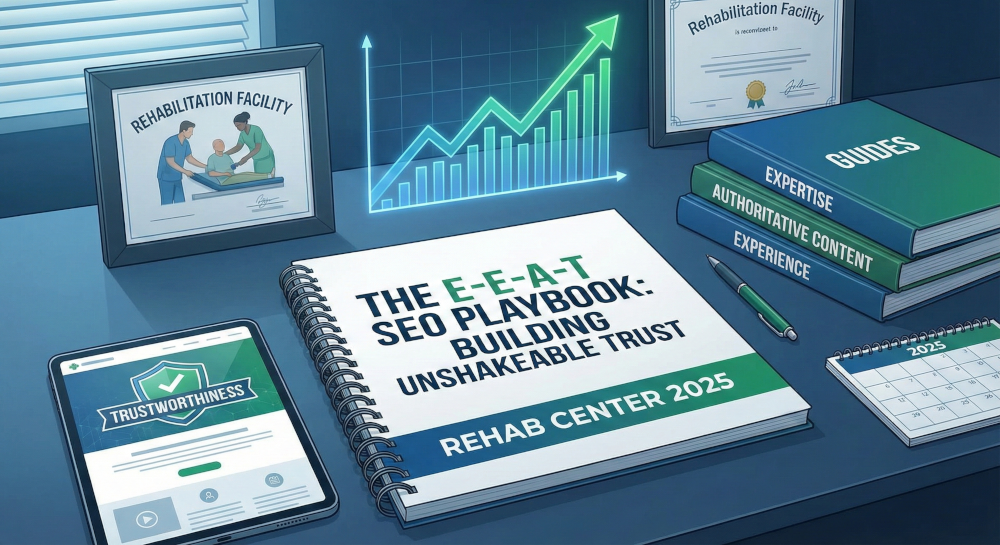
The E-E-A-T SEO Playbook: Building Unshakeable Trust for Your Rehab Center in 2025

Beyond the Bed Count: Marketing Client-Centered and Trauma-Informed Care

Harnessing AI for Hyper-Personalized Patient Outreach: A Treatment Center's Guide
Contact us today to get the conversation started!


